Summer is wrapping up, your school course schedule is set, and move-in day is getting closer. Whether you’re flying to college, university, or a study-abroad program, packing for your flight is easier when you know the airport security rules.
Between your laptop, chargers, toiletries, snacks, school supplies and maybe even a few comforts from home, your bag can fill up fast. The key is knowing what should go in your carry-on, what belongs in checked baggage, and what may need to be screened separately.
If you’re travelling outside Canada, remember that your destination country may have additional requirements.
Start with your tech
When packing for school, electronics are usually at the top of the list. Laptops, tablets, phones, headphones, e-readers, portable chargers and other gear can quickly turn your backpack into a mobile study space.
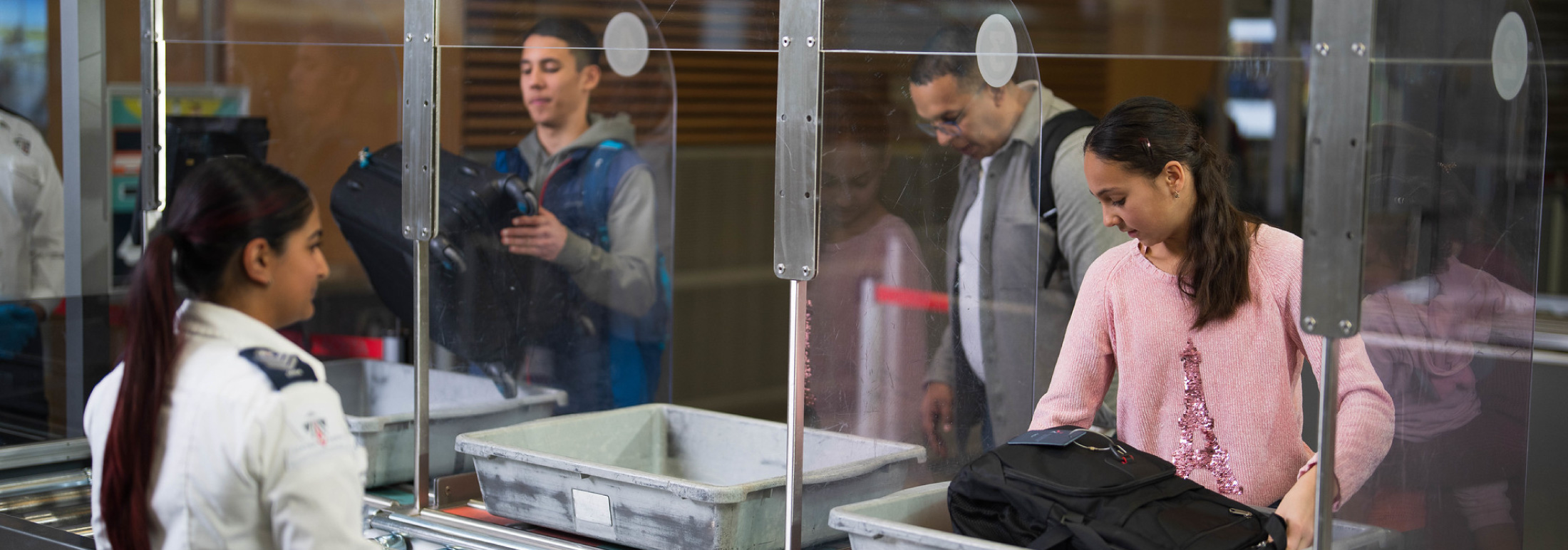
Most personal electronic devices are permitted in your carry-on. At standard screening lines, you may be asked to remove large electronics, like laptops, and place them in a bin. At lines equipped with CT X-ray technology, large electronics stay in your carry-on during screening. If you’re packing electronics with lithium batteries in your checked baggage, check with your air carrier, as some restrictions might apply.
Note: Keep devices charged and easy to reach in your carry-on, as they may need to undergo additional screening.
Batteries
Spare lithium batteries and power banks must travel in your carry-on. They should never be packed in checked baggage. Keep them protected from damage and easy to access.
Before travelling, review the battery rules and check your airline’s requirements, since some airlines have additional policies for lithium batteries and power banks.
Bring drinks and snacks, but pack smart
On long travel days or for a study-break treat, a favourite snack from home can make a big difference.
Many solid foods can travel in your carry-on, including sandwiches, granola bars, crackers, and trail mix. However, foods that can be poured, spread or sprayed are treated as liquids, aerosols or gels. Items like yogurt, peanut butter, sauces and dips must be in containers of 100 mL or less and fit into one clear, resealable 1L plastic bag.
Drinks follow the same 100 mL rule in carry-on, so empty any drinks before security. You can bring an empty reusable water bottle and fill it after security screening.
Check powders and granular materials
When moving away for school, you may be packing powders or granular materials along with your other essentials.
Protein powder, powdered drink mixes, spices, bath salts, cosmetics like face powder, and weighted comfort items are all common examples. Powders and granular materials are permitted in carry-on when the total combined volume is 350 mL or less, roughly the size of a soda can. Larger quantities must be packed in checked baggage.
Ready for the semester ahead
Back-to-school travel comes with enough moving parts. A few quick packing checks before you leave can help you feel prepared, keep important items with you and focus on the trip ahead.
To help you before heading to the airport, check out our What Can I Bring? tool to double-check whether your item belongs in your carry-on or checked baggage and use our Travel checklist so nothing gets left behind. Safe travels and enjoy the semester ahead!